Sandy sits where the valley floor's old Lake Bonneville sediments rise into the sandy, gravelly benches of the Wasatch foothills — soils that shift with every wet-and-dry season. Mix in the expansive clay common along the Wasatch Front and a frost line that drives freeze-thaw movement each winter, and slabs across Sandy settle and crack. We help homeowners raise and stabilize that sinking concrete with high-density polyfoam.
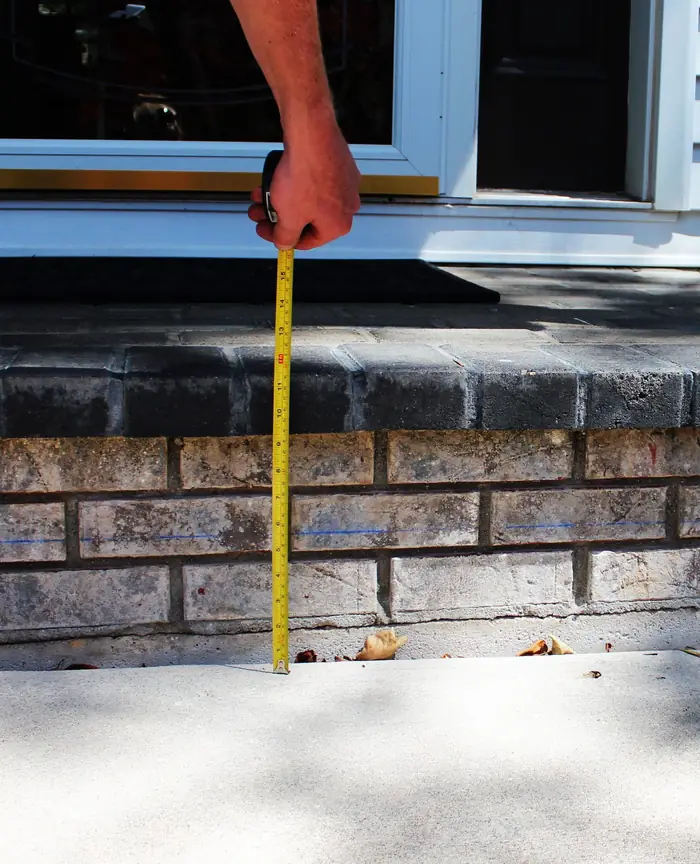
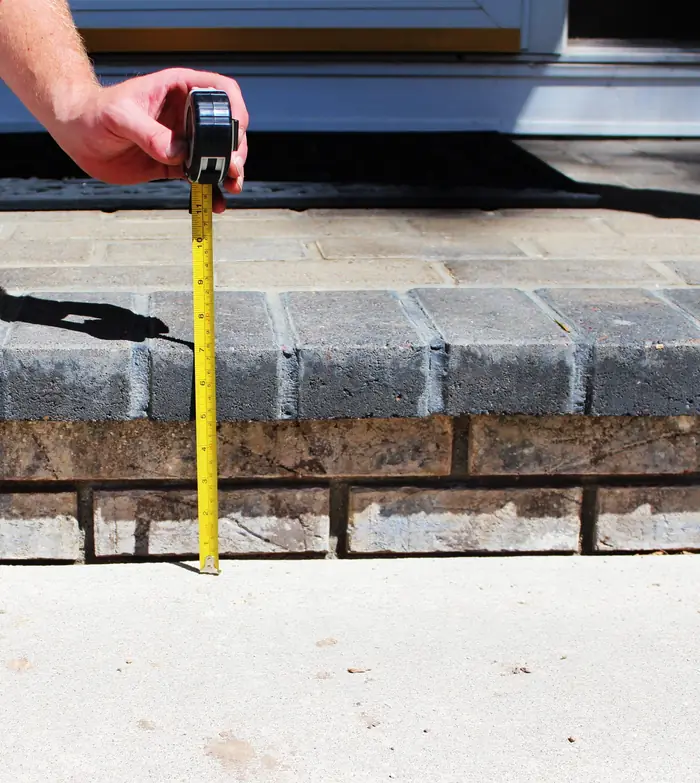
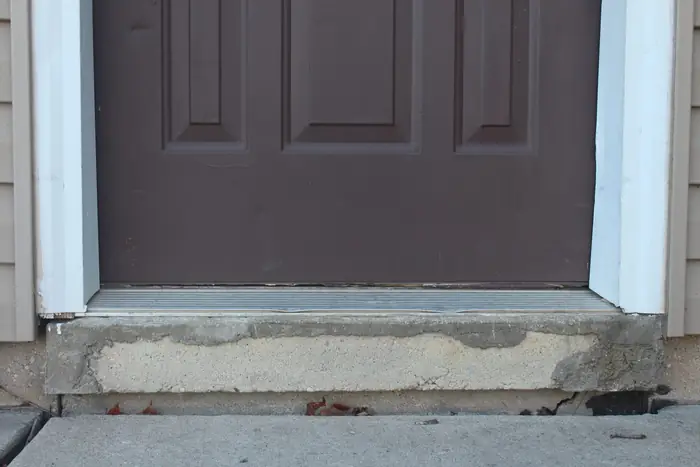
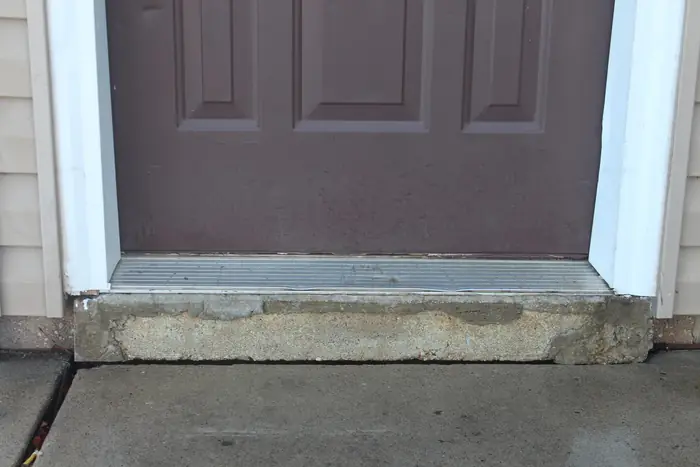
Before-and-after examples of sunken concrete raised with high-density polyurethane foam — the same process and material we bring to Sandy.


Illustrative example. Individual results vary.
Much of Sandy was built out through the 1970s and 1980s on alluvial soils that transition from the Jordan River drainage in the west to the gravelly Wasatch benches in the east. As those soils swell and shrink with each season, original slabs settle — which is exactly the kind of sinking driveway, sidewalk, and patio concrete we raise with high-density polyfoam.
Sandy sits on the southeast edge of the Salt Lake Valley, where alluvial fan soils and old Lake Bonneville sediments meet expansive clay common along the Wasatch Front. That clay swells when wet and shrinks when dry, and with a frost line near 30 inches the freeze-thaw cycling works slabs loose over time. The result is driveways, walkways, and patios that sink and crack.
Most Sandy jobs run $1,000–$2,500 with high-density polyfoam, depending on slab size and how far it has settled. That's typically about half the cost of a full tear-out and replacement. We give you written upfront pricing before any work starts — no surprises on job day.
Most residential polyfoam lifts in Sandy are finished in 1–3 hours. The foam cures fast — the slab is usually walkable within about 15 minutes and ready to drive on within an hour of completion.
Yes. Along with Sandy we cover neighboring Salt Lake County communities including Draper, Midvale, and Cottonwood Heights. If you're not sure you're in our area, give us a call and we'll confirm.
No. High-density polyurethane foam is water-resistant and won't wash out or break down in the moisture-prone soils common near the Jordan River drainage and along Sandy's benches. It bonds to the underside of the slab and stays put even as the surrounding clay soils move with the seasons.
Yes. A lot of Sandy's housing dates to the 1970s and 1980s, and those original slabs are exactly what we lift most. We inject foam through dime-sized holes to raise the concrete back into place and stabilize the soil beneath it — no tear-out required. We never guarantee a slab will end up perfectly level, but we work to raise it back toward its original position.
Free inspection and an upfront written price in Sandy. No deposit — you pay when the work's done.